October 01, 2026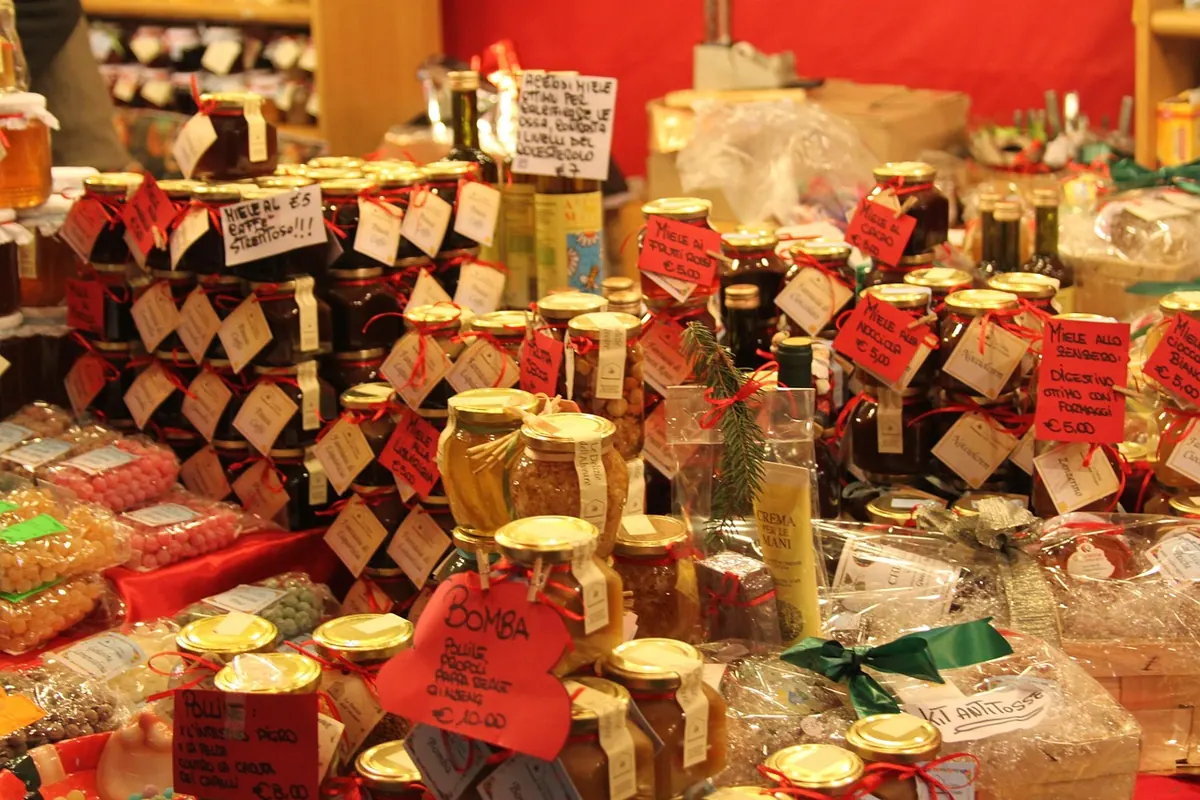
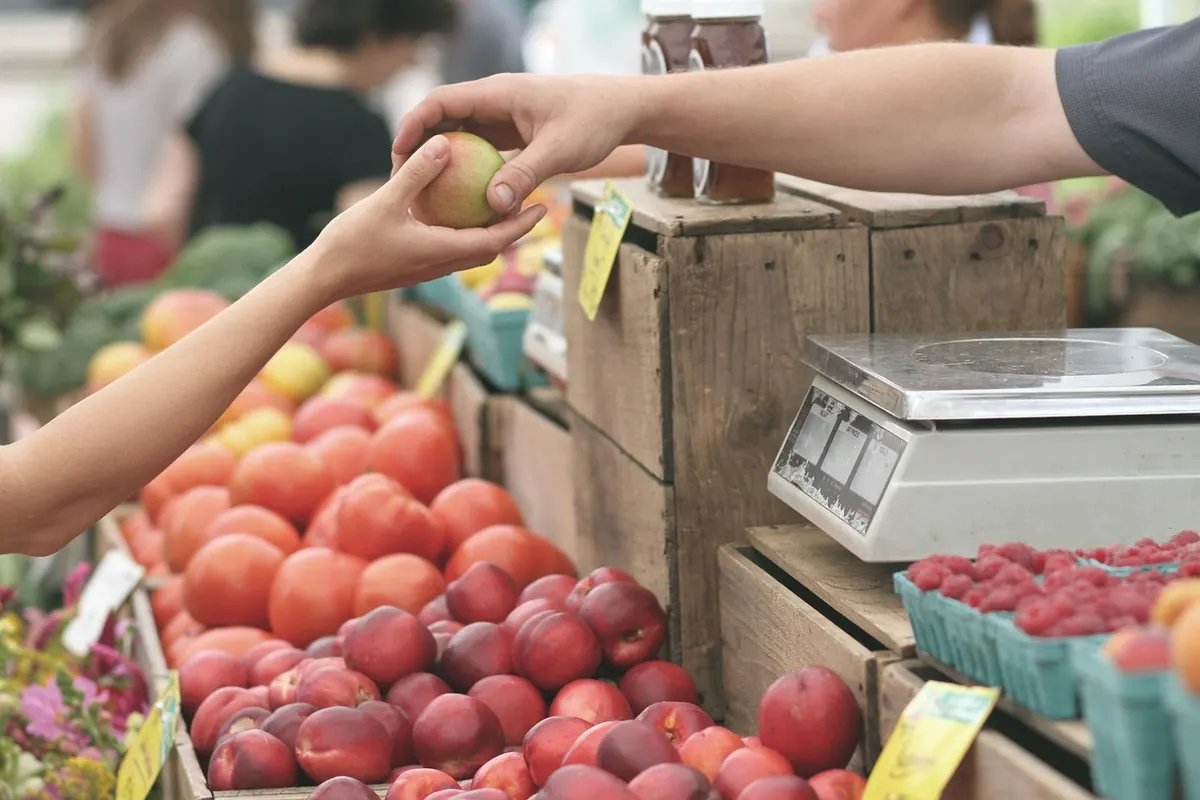
You hand over a tenner for a jar of damson chutney at Keswick market, or a wedge of cheese at the Westmorland Show, and you want to believe the story on the label. Usually you can. Cumbria is dense with small food makers — people churning butter in a converted barn near Appleby, smoking venison on the edge of the Solway, roasting coffee in a unit off a Penrith industrial estate. But markets and shows also attract stalls that are really shopfronts: good stock, no kitchen. Both can be legitimate. They are not the same thing, and a few minutes of careful looking will tell you which you are standing in front of.
Read the Label the Way a Producer Would
Turn the jar over before you fall for the front. A genuine small producer usually has a short ingredient list because they made the thing from ingredients rather than from a base. Flour, butter, sugar, eggs, fruit — that reads like a kitchen. A list with four stabilisers and two flavourings reads like a factory.
Look for a maker's address, not just a distributor's. There is a real difference between "Made at Townfoot Farm, Wigton" and "Distributed by a company in Manchester". Both might be perfectly legal, but only one tells you who cooked it.
Check the practical details too: a best-before date, a batch or lot code, the weight, and allergens printed clearly and often in bold. Batch codes matter more than people realise — if a maker is tracking their own batches, they are thinking like a food business, which is exactly what you want.
County provenance marks can help, but they vary. Some schemes are strict about where a product is made, others about where the business is based or where the main ingredient comes from. Ask what the mark means. If the answer is vague, treat the mark as decoration.
If you or someone you are buying for has a serious allergy, do not rely on a chat at a stall alone. Read the label, ask to see the allergen information, and take medical advice where it matters.
Batch Sizes Give the Game Away
Scale is the hardest thing to fake. A maker producing forty jars a week cannot supply twenty shops, six markets and a wholesaler, and the stall usually shows it. Stock runs out by lunchtime. There is a limited range — perhaps six chutneys, not thirty. The same product tastes slightly different from one batch to the next because the fruit was different that month.
Honest small-scale signs include:
- Handwritten or small-run printed labels, sometimes with the batch number written in pen.
- Seasonal gaps — no rhubarb in November, no fresh soft cheese on a hot day.
- Products that sell out and stay sold out, rather than being mysteriously replenished all day.
- A narrow, coherent range: a dairy doing cheese, butter and yoghurt rather than cheese, olive oil and balsamic.
- Crates and boxes under the table, rather than a spotless van-full of identical cartons.
The reverse is worth noticing. A stall carrying olive oil, Italian pasta, Spanish chorizo and one "local" preserve is a reseller with a regional sideline. Nothing wrong with that, but the money is not going where you might think.
Three Questions That Sort It Out
You do not need to interrogate anyone. A friendly version of three questions is enough, and most genuine makers are delighted to answer.
- Where is this made? Look for a village, a farm, a unit, a street. "In our kitchen in Cumbria" is weaker than "in the old dairy at the bottom of our lane near Alston".
- Who makes it? If the person on the stall made it, they will tell you quickly and often with detail about the day they did it. If they say "the company does", ask which company.
- What is in this batch? Ask about the milk supply for cheese, the orchard for juice, the abattoir for meat. Specific answers come fast. Long, circular answers are a signal, though not a crime.
One further question is quietly revealing: what do you do in January? Genuine small producers have an answer shaped by season — marmalade, repairs, preserving, a quiet market, a bit of stock work. A stall that sells the same range, all year, in unlimited quantity, is probably buying it in.
Stall Craft and the Small Details at Shows
Agricultural shows are a different arena from a weekly market. Marquee heat, three-day footfall, and a lot of competition for attention. Here, the tell-tale details are about how the stall is run rather than what is written on it.
Genuine makers tend to bring stock in layers, keeping the bulk out of the sun and topping up as the day goes on. They know how their cheese behaves at 26°C and will tell you to keep the butter cool. They offer samples from a jar that has already been opened, and they can talk about the product without reading the back of the packet.
Do not judge on packaging alone. Some of the best Cumbrian makers have invested in beautiful design; some of the best still use a printer and a pair of scissors. Fancy branding tells you about their budget, not their kitchen.
Where the Grey Areas Are
Not every stall that sells someone else's food is being dishonest. Some are farm shops doing a show, some are retailers championing a region, some are brand owners who use a co-packer to make a recipe they developed. All fine, as long as they say so.
The line to watch is the one where a business implies it makes something it does not. If you are unsure, ask plainly: "Do you make this yourself?" A straight "no, we're a shop" is a good answer. A long story that never quite lands on the word "yes" or "no" is your answer too.
A Market-Day Checklist
- Read the back of the label before the front.
- Look for a maker's address, a batch code and clear allergens.
- Ask where and who, once. Listen for specifics.
- Notice what has sold out and what has not moved all day.
- Buy one item first, then go back if it is good.
- Write down the name — you will want it again next month.
Buy the Maker, Then Keep Buying
The most reliable test of a genuine small producer is time. Buy a single jar or wedge at the market, take it home, and taste it properly. If it is good, buy again next month and the month after. You will start to notice the small shifts that only real, small-scale making produces: a sharper chutney, a creamier cheese, a coffee that tastes different because the roast changed.
Ask when the next batch is due. Ask whether they sell direct from the farm or the unit. Ask to go on the mailing list. Producers remember the customers who come back, and a returning face at a stall often gets you the tip-offs — a new cheese, a limited run of smoked trout, a heads-up on the Christmas hampers before they appear on anyone's table but yours.
That relationship is the whole point. A market is not a shop with worse parking. It is the shortest route between a Cumbrian kitchen and your own, and the people behind the table are usually the ones who lit the oven that morning.
Photo: snivdesign / Pixabay