September 29, 2026
Cumberland sausage does two things brilliantly. Grilled or fried, it is dense, peppery and deeply savoury. Simmered slowly with onions, root vegetables and a dark ale gravy, it turns into something else altogether: soft, generous, and the kind of dinner that fills the kitchen with the smell of a Sunday afternoon. This is the version worth cooking on repeat, and it works just as well for six people on a wet Tuesday as it does for a crowd at the weekend.
Nothing here is difficult. There is browning, there is chopping, then there is an hour in the oven while you get on with something else. The one part worth doing properly is buying the sausage.
What Makes a Good Cumberland Sausage Casserole
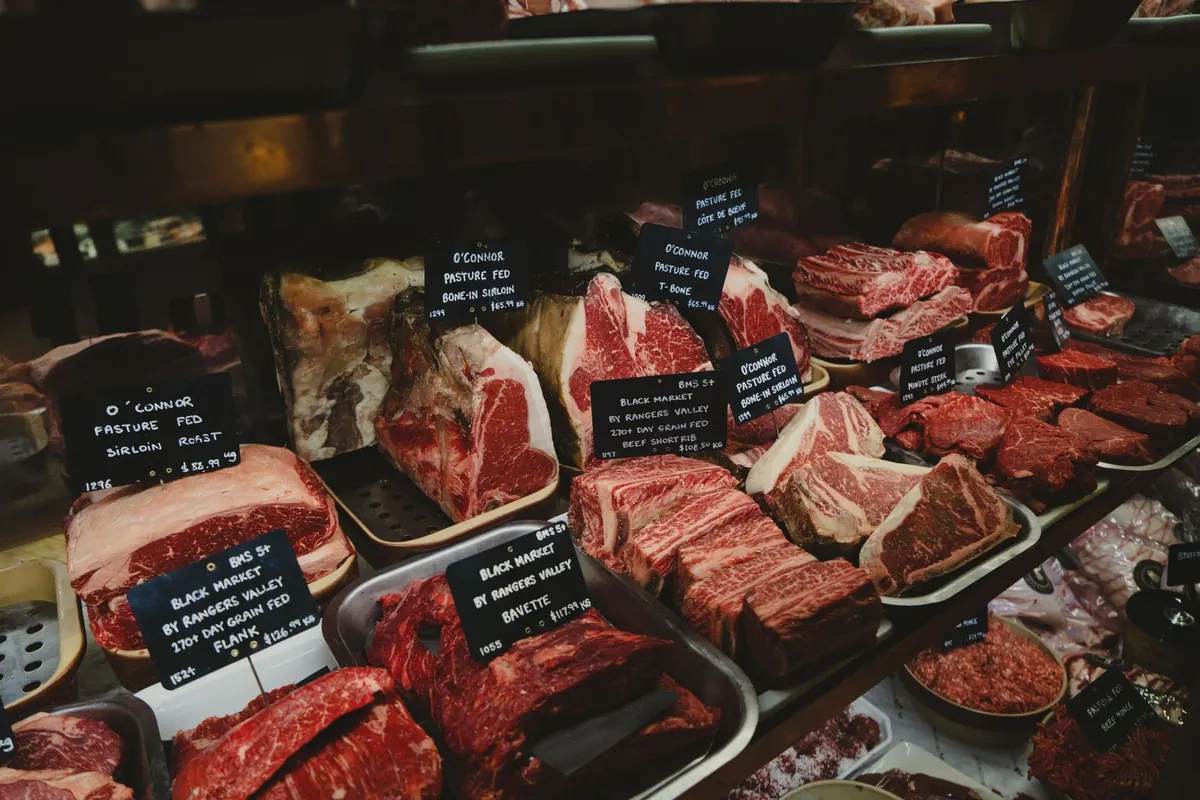
Start with the sausage itself. Proper Cumberland sausage has protected geographical indication status, and the real thing is coarse-ground pork, usually at least 80 per cent meat, seasoned hard with pepper and lifted with sage, thyme and a little nutmeg or mace. It is sold as a continuous coil rather than in links, so ask a butcher to cut you a length and tell them what you are doing with it.
Because it is coarse and fatty, it behaves beautifully in a casserole. The fat renders out into the gravy and carries all that pepper with it. Finer, rusk-heavy supermarket sausages still work, but they soften into blandness and the sauce ends up thin. If that is what you have, brown them harder and add an extra tablespoon of flour.
You also want a heavy casserole with a tight lid. Cast iron or a decent enamelled pot holds the heat evenly and lets you brown, simmer and bake in one vessel. A thin pan will catch and burn at the base.
Ingredients for Four to Six
- 700g–1kg Cumberland sausage, cut into 5cm lengths
- 2 tbsp rapeseed oil, lard or beef dripping
- 2 large onions, sliced
- 2 carrots, cut into thick coins
- 2 celery sticks, sliced
- 300g swede or parsnip, in chunks
- 3 garlic cloves, sliced
- 2 tbsp plain flour
- 1 tbsp tomato purée
- 300ml dark ale or dry cider
- 400ml good chicken or beef stock
- 1 tbsp Worcestershire sauce
- 2 tsp English mustard
- 1 tsp dried thyme, 2 bay leaves
- 1 tbsp redcurrant jelly or damson jam
- Salt and black pepper
On the ale: something dark and not too hoppy gives depth, while dry cider gives a lighter, fruitier gravy. If you would rather cook without alcohol, use the same volume of stock plus a teaspoon of cider vinegar. On the jelly: it sounds odd and is not. A spoonful rounds off the pepper and pulls the whole sauce together.
Taste your stock before you season anything. Cubes and ready-made stocks vary enormously in salt, and you can always add more at the end but never take it out.
Step-by-Step Method
- Heat the oven to 170°C fan, 190°C conventional, gas 5.
- Warm the fat in the casserole over a medium-high heat. Brown the sausage pieces in two batches, giving each side three to four minutes. Do not crowd the pan or they will steam. Lift them out onto a plate.
- Turn the heat down. Add the onions, carrots, celery and swede with a good pinch of salt. Cook for 10–12 minutes until the onions are soft and lightly golden, scraping up the browned bits as you go.
- Stir in the garlic, thyme and bay leaves, then scatter over the flour and tomato purée. Cook for two minutes, stirring, until the flour smells biscuity rather than raw.
- Pour in the ale and let it bubble hard for a minute or two, scraping the base clean.
- Add the stock, Worcestershire sauce, mustard and jelly. Return the sausages and any resting juices. Bring to a gentle simmer.
- Cover and bake for 45 minutes.
- Remove the lid and bake for another 20–25 minutes, until the sauce coats the back of a spoon and the sausage is completely tender.
- Rest for 10 minutes before serving. It will be hotter than you expect.
If You Would Rather Stay on the Hob
Simmer gently with the lid ajar for 50–60 minutes, stirring every so often. The sauce will reduce a little more quickly, so keep an eye on it and top up with a splash of stock or water if it starts to catch.
Getting the Sauce Right
Too thin? Lift out the sausages and vegetables with a slotted spoon, boil the liquid hard for five minutes, then return everything. A teaspoon of cornflour slaked in cold water works too, but let it bubble for a full two minutes or it will taste of chalk.
Too thick, or too salty? A splash of hot water or unsalted stock fixes both.
Skim the fat if you like, though a thin layer on top is part of the point. Finish with a knob of cold butter off the heat for gloss, and taste once more for salt, pepper and a squeeze of something sharp if it feels flat.
Serving Suggestions
Buttered mash is the classic, and I would not argue with it. Clapshot, the Cumbrian mix of mashed potato and swede with plenty of butter, is even better here because it echoes the root vegetables in the pot.
- Creamy mash or clapshot
- Herby suet dumplings added for the final 25 minutes of baking
- Thick slices of sourdough or a crusty white loaf to mop up
- Buttered greens, kale or Savoy cabbage with a little nutmeg
- Pickled red cabbage or a sharp chutney to cut the richness
Make It Ahead, Freeze It, Eat It Twice
This is a casserole that improves overnight. Cool it quickly, keep it covered in the fridge for up to three days, then reheat gently on the hob with a splash of water. It freezes well for around three months — freeze in portions rather than one large block so you can thaw only what you need.
If you are cooking for a crowd, double everything but brown the sausage in three or four batches. Use two pots rather than cramming one; a crowded casserole gives you grey sausage and watery gravy.
The Cheat Sheet
Buy coarse, well-seasoned Cumberland sausage and brown it properly. Soften the vegetables slowly, cook out the flour, then let the oven do the work for an hour. Rest it before serving, taste for seasoning, and put mash on the table. That is the whole recipe, and it will see you through most of the winter.
Photo: Hans / Pixabay