September 19, 2026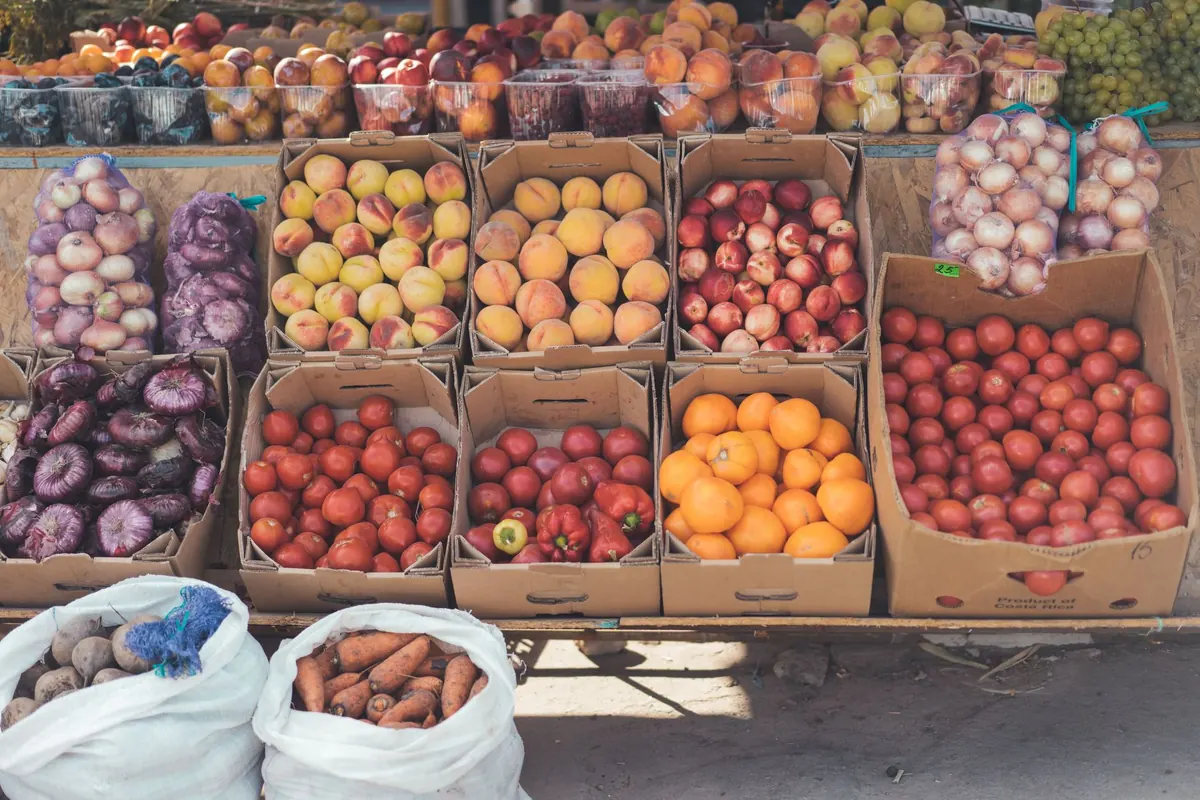
Cumbrian farm shops are larders with a sense of place: Herdwick lamb, crumbly cheese, dark chutney, still-warm bread, and eggs with the mud still on them. The trick is knowing what to buy and how to keep it at its best. This checklist is designed to be printed, folded into a glovebox, or saved on your phone. Tick off what you need, then use the storage notes to make every purchase last.
Meat and poultry: start at the counter
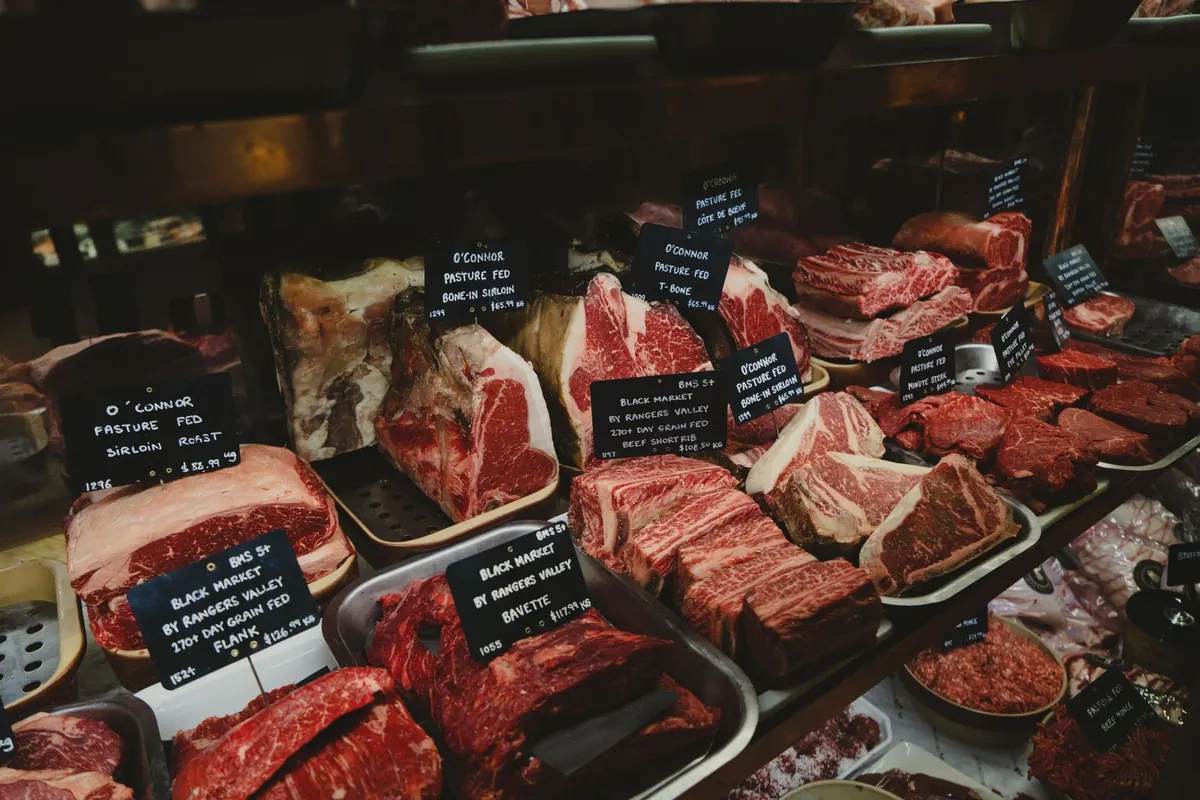
The butcher's counter is usually the heart of a farm shop. Ask what is local and how long the meat has been hung. Cumbrian lamb often comes from Herdwick or Swaledale breeds, with a deep flavour that rewards simple cooking. Beef from native breeds, rare-breed pork, and free-range chicken are worth the space in your basket.
Lamb and beef
Choose chops, a shoulder for slow roasting, or mince. Get it home and into the fridge quickly. Keep it in the coldest part, ideally below 5°C, and use mince within a couple of days. Steaks, chops, and roasts can keep for three to five days. For longer storage, wrap portions tightly, label with the date, and freeze. Defrost in the fridge and cook thoroughly.
Pork, bacon, and sausages
Dry-cured bacon and well-seasoned sausages are farm shop staples. Keep bacon sealed in the fridge and use within a few days of opening, or freeze it in rashers separated by baking paper. Sausages should be refrigerated and eaten within two to three days, or frozen raw. Cook them through until the juices run clear. If you are pregnant, elderly, or have a weakened immune system, check official food safety guidance before choosing cured or undercooked meats.
Cheese, butter, and dairy
A good Cumbrian farm shop will have a cheese counter worth lingering over. You might find crumbly white cheeses, creamy blues, smoked wedges, and soft varieties. Ask to taste before you buy. Butter, cream, milk, and yogurt are often from the same local herds.
Cheese needs to breathe. Wrap it in wax paper, then loosely in a bag in the fridge. Cling film traps moisture. Bring hard cheese to room temperature before serving. Butter keeps well in the fridge and freezes neatly. Cream and milk should stay cold; use by their date. If you see mould on hard cheese, cut off a generous margin. For soft cheeses, discard. When in doubt, follow official food safety guidelines.
Bread, pies, and cakes
Farm shop bakeries are dangerous in the best way. A crusty loaf, a pork pie, a fruit cake, or a tray of scones can undo good intentions. Buy what you will eat in a few days, and freeze the rest.
Bread stays freshest in a paper bag or bread bin, not in the fridge, which dries it out. Slice and freeze any surplus. Meat pies belong in the fridge and should be reheated until piping hot if you serve them warm. Sweet pies and cakes keep in an airtight tin, though cream-filled things need refrigeration. Always check the shop's label for specific storage and use-by advice.
Preserves, chutneys, and honey
Jars of jam, marmalade, chutney, and mustard make easy gifts and even easier additions to a cheese board. Local honey is a particular treat, often tasting of the season's wildflowers and heather.
Unopened jars keep well in a cool, dark cupboard. Once opened, most chutneys and low-sugar jams should go in the fridge, especially after the first spoonful. Honey can stay in the cupboard; it may crystallise, which is natural. Sit the jar in warm water to loosen it. Always use a clean spoon. Check the label for any specific instructions.
Vegetables, fruit, herbs, and eggs
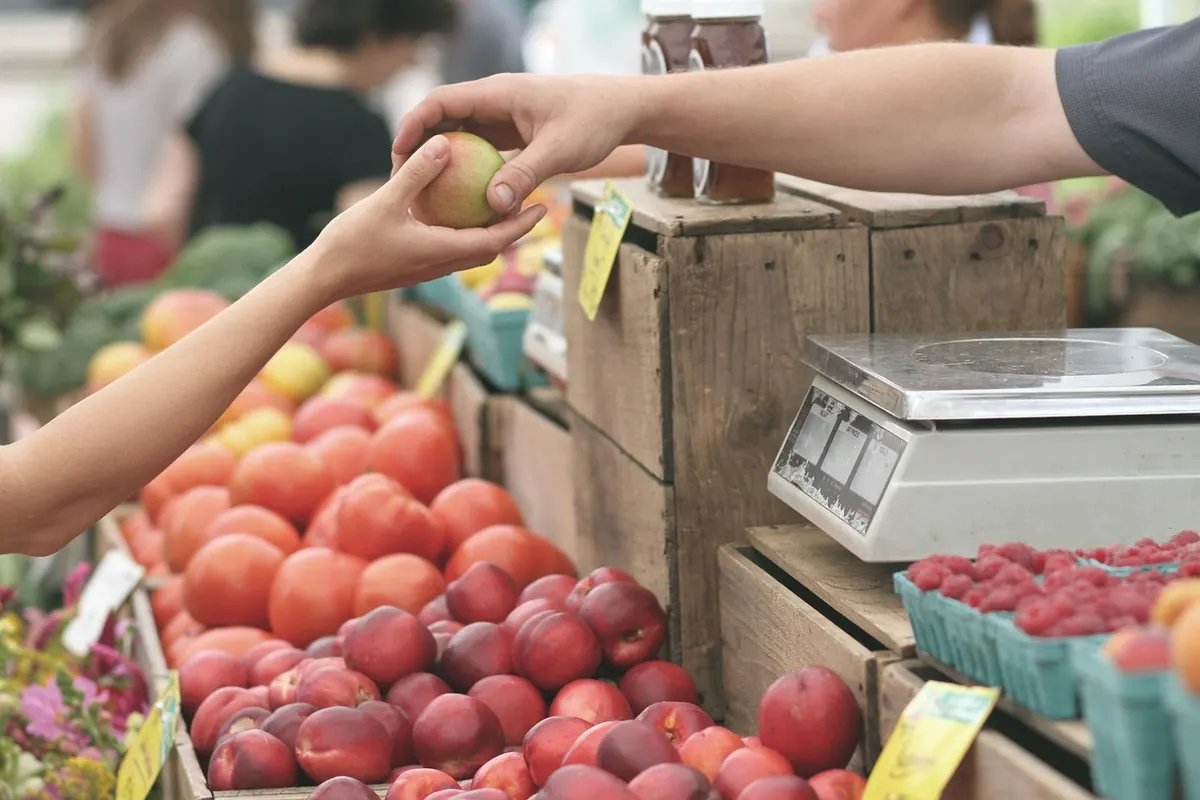
Seasonal vegetables from Cumbrian growers might include kale, carrots, beetroot, salad leaves, and herbs. Fruit appears in summer and autumn: berries, apples, pears, and plums. Eggs are often sold in boxes on the counter.
Root vegetables prefer a cool, dark place; leafy greens and herbs need the fridge. Keep herbs in a jar of water or damp paper. Don't wash berries until you eat them. Eggs are best kept in their box in the fridge. Fruit can ripen on the counter, then move to the fridge. Keep potatoes and onions separate.
Drinks and cupboard treats
Local ale, cider, cordials, coffee, and chocolate round out a farm shop haul. Look for bottles from Cumbrian breweries and small roasteries. These are the items that turn a simple supper into something worth lingering over.
Store beer and cider upright in a cool, dark place. Coffee beans are best kept airtight, away from heat and light; freeze them if you won't use them within a few weeks. Chocolate prefers a cool cupboard rather than the fridge, where it can pick up odours and bloom. Cordials should be kept cool and diluted to taste.
The printable checklist
Print this list or copy it into your phone notes. Tick what you need before you set out, and add anything the shop has in season.
- Cumbrian lamb — chops, shoulder, or mince; chill or freeze in portions.
- Local beef — steaks, roasting joint, or mince; keep cold and cook thoroughly.
- Dry-cured bacon — sealed in the fridge; freeze rashers if needed.
- Sausages — eat within two to three days or freeze raw.
- Cheese — wax paper in the fridge; bring to room temperature to serve.
- Butter and cream — fridge; freeze butter for longer storage.
- Eggs — in the box, in the fridge, away from strong smells.
- Bread — paper bag or bread bin; freeze sliced.
- Pies and cakes — fridge for meat pies; airtight tin for cakes.
- Jam, chutney, and mustard — cupboard until opened, then fridge.
- Local honey — cool cupboard; warm gently if crystallised.
- Seasonal vegetables — roots cool and dark; greens in the fridge.
- Herbs — stems in water or damp paper in the fridge.
- Fruit — ripen on the counter, then refrigerate.
- Ale, cider, or cordial — cool, dark place; upright for bottles.
- Coffee or chocolate — airtight, cool, and away from light.
Storage rules that save waste
Good storage is less about fancy containers and more about habits. Keep your fridge below 5°C, use the coldest shelf for meat and dairy, and don't overpack it; air needs to circulate. Label everything you freeze with the date and what it is. First in, first out: move older items to the front. Buy only what you can realistically eat, especially with fresh bread, soft fruit, and salads. A little planning means fewer sad discoveries at the back of the fridge and more meals that taste like Cumbria. For specific food safety concerns, particularly around pregnancy, illness, or allergies, seek professional advice.
Photo: Atlantic Ambience / Pexels