September 20, 2026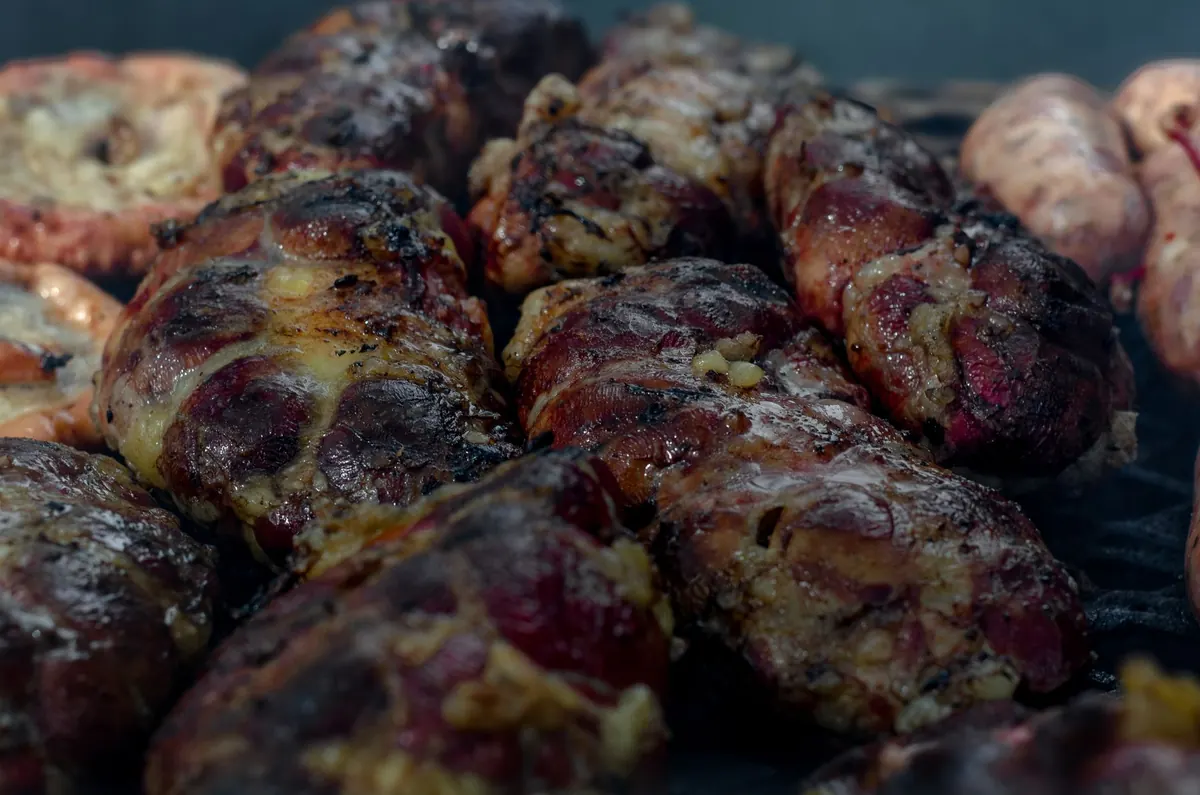
Two of the most recognisable things to come out of Cumbria are a coiled pork sausage as long as your arm and a hardy sheep that spends most of its life above the tree line. Both have loyal defenders. Both end up on Sunday plates with mash and gravy. They are not, however, interchangeable, and buying the wrong one for the wrong job is how good ingredients end up disappointing you. One is an everyday staple that cooks in fifteen minutes. The other is a treat that rewards patience. Here is the practical difference.
What each one actually is
Cumberland sausage is a coarse-ground pork sausage, traditionally sold in one continuous coil rather than as separate links. It carries Protected Geographical Indication status, which means the version using the name has to be made in Cumbria to a traditional specification: a high meat content, a distinctly coarse texture and a seasoning built on pepper, sage, thyme and often a little nutmeg. That coarse grind matters more than most people realise. A proper Cumberland sausage is dense and meaty when you cut it, not soft and pale.
Herdwick is a native fell breed, bred for wet, high ground and weather that would flatten most sheep. The ewes lamb outdoors on the fells and the lambs grow slowly on grass, heather and whatever else they find up there. The result is a smaller, slower-maturing animal with darker meat than the pale pink you see in supermarket chillers. It is also the breed most closely tied to the Lake District landscape itself, which is one reason buying it feels less like a shopping decision and more like supporting a hill farm.
Flavour: pepper and pork versus grass and fell
A good Cumberland sausage tastes savoury and peppery before it tastes of anything else. Sage gives it a herbal edge, and the fat keeps it juicy through cooking. Eaten cold from the fridge, sliced into a sandwich, it is one of the great British picnic foods.
Herdwick lamb is quieter and more complex. Expect a sweet, grassy flavour with a faint mineral note from the fell grazing, and enough fat to baste itself as it roasts. It is not a strong, woolly mutton taste; that comes from older animals. Hogget, which is between one and two years old, sits in the middle: more depth than lamb, more tenderness than mutton, and a favourite among people who cook it slowly.
If you want bold seasoning, buy the sausage. If you want the flavour of the meat itself, buy the lamb.
Cooking: two very different approaches
The Cumberland coil
Cumberland sausages are cooked gently or not at all well. Keep the heat moderate, don't stab them, and let them cook through slowly so the skin doesn't split and the fat stays inside.
- For a whole coil, sit it in a roasting tin on a bed of sliced onion and apple, add a splash of cider or stock, cover with foil and bake at about 180°C for 25 to 30 minutes. Uncover for the last ten minutes to colour.
- For links, fry or grill over medium heat for roughly 15 to 18 minutes, turning often. If they're browning faster than they're cooking through, turn the heat down.
- Check the centre of the thickest part is piping hot right through before serving. A coarse sausage can look done outside while still raw in the middle.
Herdwick, cut by cut
Match the cut to the heat rather than the other way round. Leg, loin chops and rack are best roasted or grilled quickly and served pink — a slow roast on a lean leg will dry it out. Shoulder, breast and neck are the opposite: give them three to five hours at around 150 to 160°C with stock, wine or cider, and they collapse into something you can pull apart with a spoon. Bones and trimmings make a stock that will improve any winter soup, so ask for them if your butcher doesn't offer.
Seasonality: one is year-round, one has a season
Cumberland sausage has no season. Pigs are reared indoors and out throughout the year, and any decent butcher will have a coil in the case in January and July alike. A sausage bought in December is no better or worse than one bought in June.
Herdwick is different. Fell lambs are born in spring and finish slowly on upland grazing, which is why Herdwick lamb comes into its own from late summer through to winter and into early spring. Anything labelled hogget or mutton tends to appear later in the season, once animals have had another year on the hill. If you want Herdwick at its best, buy in autumn and winter, and if you see hogget on a menu in February, order it.
Value: what you actually get for your money
Per kilo, Cumberland sausage is the cheaper buy and the more forgiving one. It feeds a family from one pan, it freezes well in coils or links, and leftovers slice into tomorrow's lunch. Nothing is wasted.
Herdwick lamb costs more, and it should — the animals take longer to finish and the farms are often small. The way to get value from it is to buy bigger. A half or whole lamb box from a Cumbrian farm or butcher usually works out considerably better per kilo than individual chops, and it gives you cuts you might not have chosen: breast for slow roasting, neck for stews, bones for stock. If you have freezer space and a household that eats lamb, that is where the value sits. If you don't, buy one shoulder rather than four chops and cook it properly.
Buying well: a short checklist
- Read the label. Cumberland sausage with protected status will be made in Cumbria. If the pack says nothing about where it was produced, ask.
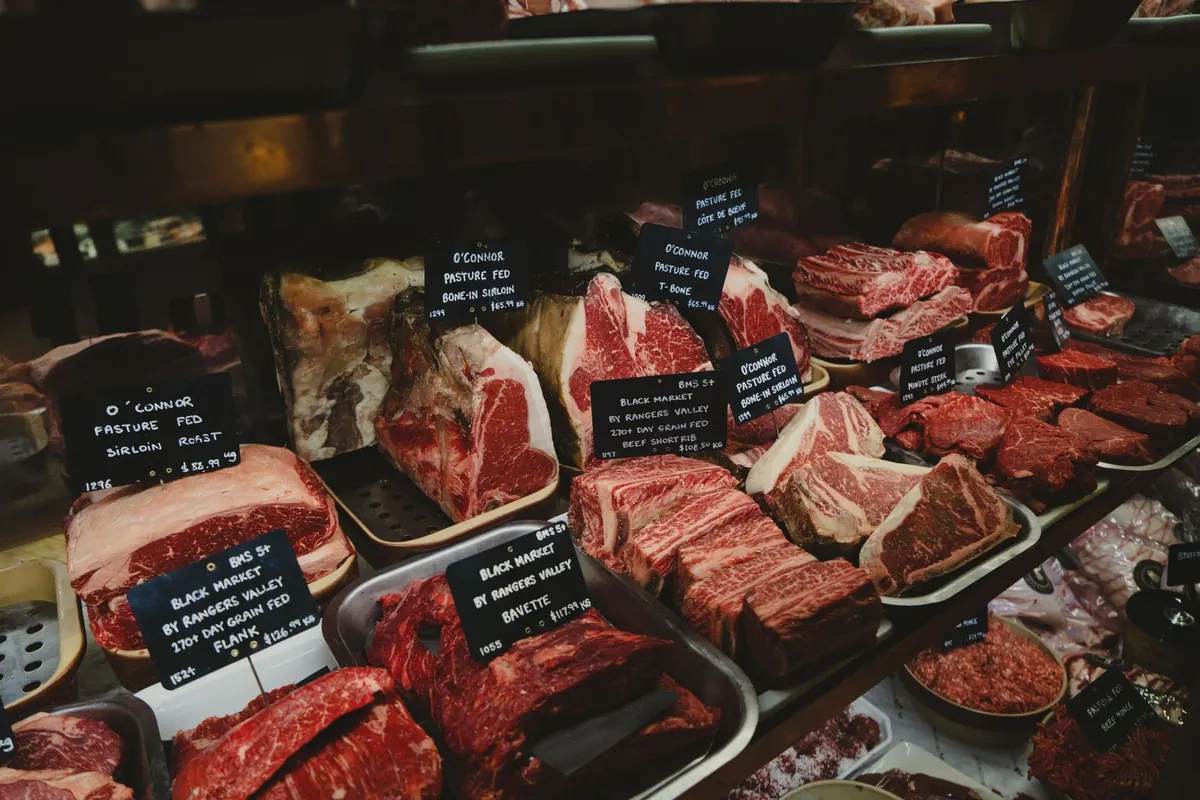
- Look for colour in the meat. Herdwick should be a deeper, darker red than commercial lamb. Very pale meat is a sign it isn't the breed you think it is.
- Ask the butcher for hogget. If they stock Herdwick, they will know whether they have any, and they will tell you how to cook it.
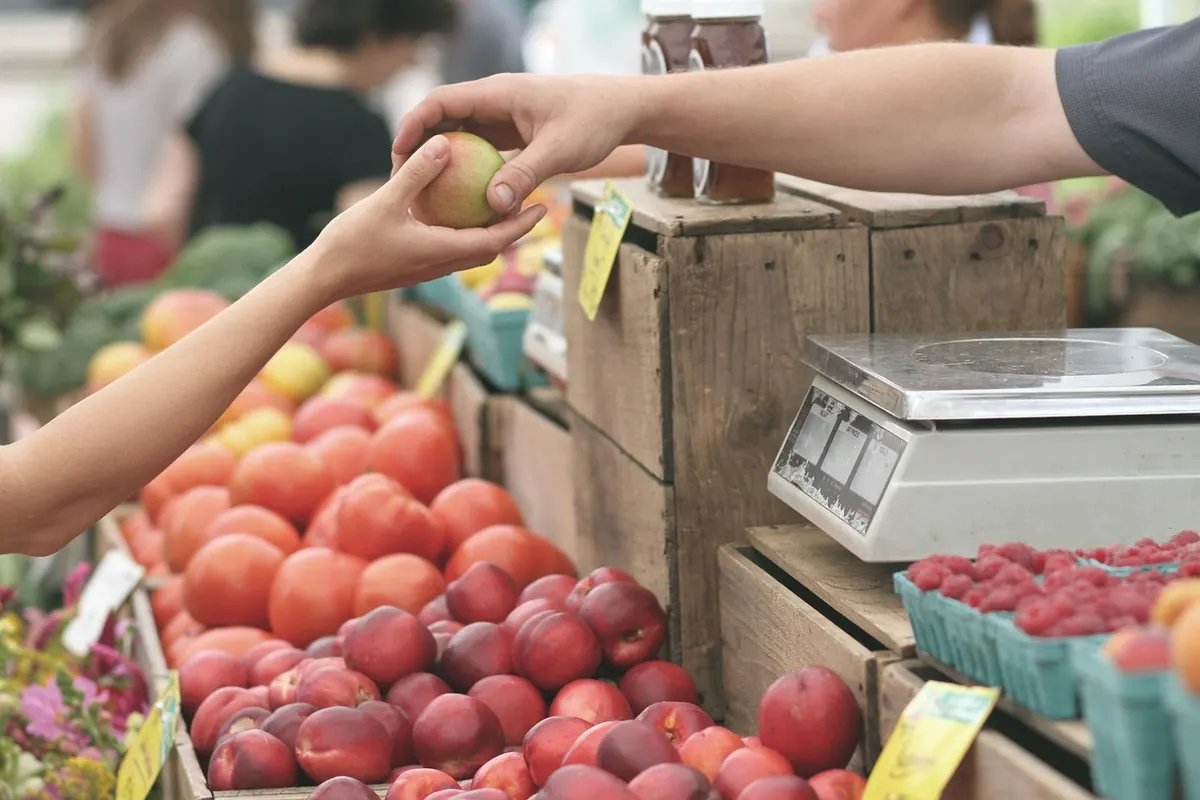
- Buy from farm shops, farmers' markets and independent butchers where you can ask who reared the animal and where.
- Freeze in usable portions. A whole lamb is only good value if you portion and label it as soon as it arrives.
One sensible note on the sausage side: sausages are a processed meat and tend to be high in salt and fat, so treat a coil as an occasional pleasure rather than a daily habit. If you are managing your salt intake or a heart condition, take advice from your GP or a dietitian rather than from a recipe.
So which should you buy?
Buy Cumberland sausage when you need dinner sorted on a Tuesday, when you're feeding a crowd on a budget, when there are children at the table, or when the meal is really about the mash, the onion gravy and the company. Buy Herdwick when the meat is the point: a slow-roasted shoulder for a Sunday in November, a leg for Easter, chops grilled hot and fast and eaten pink. Keep a coil in the freezer and treat the lamb as the occasion it is. Buy both from someone who can tell you where they came from, and Cumbria will feed you very well indeed.
Photo: Paul Espinoza / Pexels